
Over the years, I’ve worked in a lot of Ottawa bathrooms, and one thing is always clear: safety isn’t a “nice-to-have” for seniors – it’s a necessity. As mobility changes with age, everyday tasks like stepping into a tub, reaching for a faucet, or standing in the shower can become challenging and, in some cases, dangerous.
I’ve seen firsthand how slippery floors, tight spaces, and hard surfaces make bathrooms one of the most common places for household injuries among older adults. The good news is that the right upgrades and a few smart daily habits can completely change how safe and comfortable a bathroom feels.
A senior-friendly bathroom doesn’t just reduce the risk of slips and falls; it supports confidence, independence, and overall quality of life.
Why Bathroom Safety Matters for Seniors
Slips and falls are among the leading causes of injury for older adults, and bathrooms often pose the highest risk. Smooth tile floors can become slick when wet, standard bathtub walls require high leg lifts, and limited mobility makes balancing more difficult.
For Ottawa’s senior population, bathroom safety is more than avoiding bruises, as it can also prevent fractures, hospital visits, and long-term mobility loss. A single fall can have lasting consequences, which is why many families proactively upgrade their bathrooms to be senior-friendly.
Beyond physical safety, a secure bathroom supports seniors’ independence at home. Aging in place becomes far more realistic when essential rooms like bathrooms are accessible, comfortable, and thoughtfully designed.
Bathroom Safety Features to Consider
Creating a safer bathroom starts with choosing the right features – ones that reduce slip risks, improve mobility, and make daily routines easier for seniors.
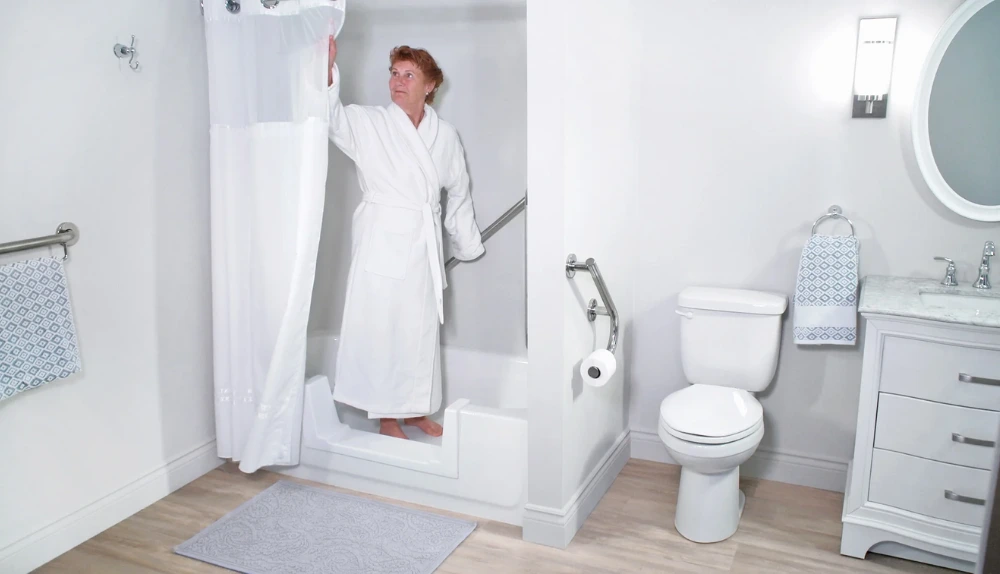
1. Walk-In and Walk-Thru Tubs
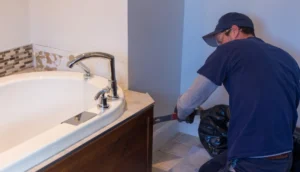
Walk-in and walk-thru tubs reduce the need to step over a high tub wall, lowering the risk of slips and falls. Walk-in tubs feature a door and built-in seating, while walk-thru tubs create a low-entry opening in your existing tub for safer, easier access.
2. Low-Threshold or Barrier-Free Showers
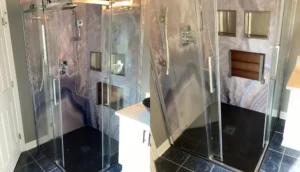
Low-threshold and barrier-free showers replace the traditional tub step with a near-level entry that’s easier to navigate. These open and accessible designs accommodate mobility aids, helping seniors move in and out of the shower with greater stability.
3. Non-Slip Tub and Shower Surfaces
Premium acrylic materials include textured bases that improve traction underfoot. Unlike standard tiles, these surfaces resist slipping even when wet, significantly decreasing the chance of falls.
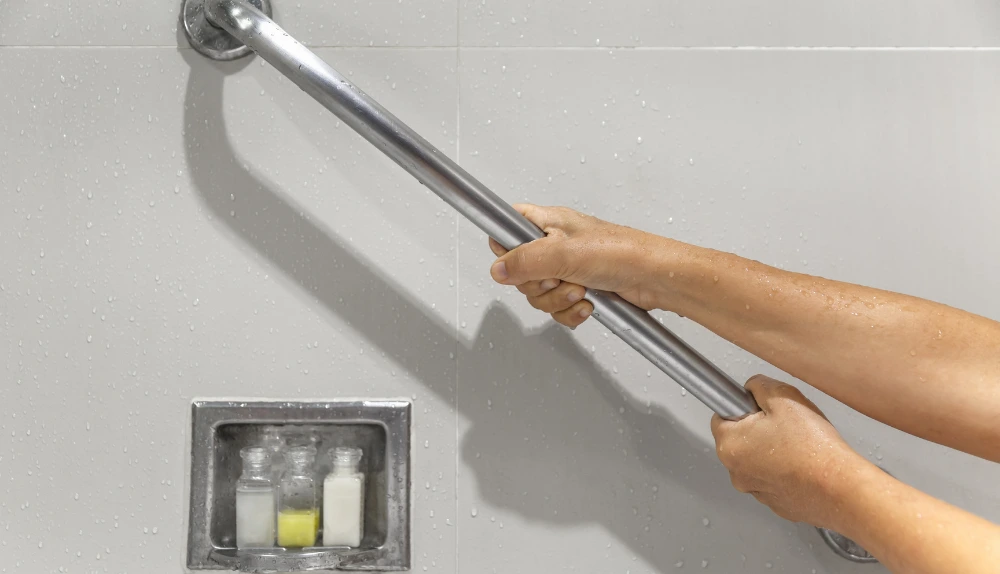
4. Grab Bars and Safety Rails
Grab bars offer additional support when sitting, standing, or moving in and out of the shower. Installed at strategic angles, they serve as essential balance points for seniors with limited mobility.
5. Built-In Seating
Shower benches or molded seats provide a stable place to sit while bathing. These eliminate the strain of prolonged standing and reduce risks associated with fatigue or dizziness.
6. Handheld Showerheads
Handheld showerheads let seniors wash comfortably while seated, reducing the need for awkward twisting or reaching. The adjustable water flow also offers better control and convenience.
7. Slip-Resistant Flooring
Bathroom floors can be upgraded with slip-resistant materials that maintain traction even in high-moisture environments. This is a popular choice for seniors who want added safety beyond the tub or shower area.
Tips to Prevent Slips and Falls in the Bathroom
Even without a complete bathroom renovation, minor changes and safer habits can significantly reduce fall risks for seniors. Ottawa homeowners can start with the following:
- Improve lighting: Bright LED lights and motion-activated night lights make navigation easier and prevent missteps, especially at night.
- Keep the floor dry: Wipe up water immediately and place absorbent and non-slip bathmats near the tub, shower, and sink.
- Declutter the bathroom: Keep the floor clear and store essentials within reach to reduce bending, stretching, and tripping.
- Make hygiene items accessible: Place toiletries at chest height to avoid overreaching, which can compromise balance.
- Consider a raised toilet seat: Higher seats reduce the effort needed to sit and stand, easing joint strain and improving stability.
- Wear non-slip slippers: Footwear with a good grip reduces the chance of slipping on tile or vinyl surfaces.
- Plan safety-focused upgrades: If mobility concerns are increasing, features like walk-in showers or walk-thru tub conversions can actually improve accessibility.
Bathroom Safety Cost Estimates
Bathroom renovation doesn’t need to be overwhelming, thanks to Bytown Better Bathtubs and Showers’ free online pricing estimator.
Costs depend on factors such as:
- Type of renovation (walk-in tub, shower conversion, wall system upgrade);
- Size, plumbing and layout of your current bathroom;
- Selected materials and finishes; and
- Additional safety features include grab bars, slip-resistant flooring, and built-in seating.
Stop Guessing, Start Bathing Safer
If you want a bathroom that supports long-term safety, comfort, and independence, the best decision is to upgrade the space before accidents happen. At Bytown Better Bathtubs and Showers, we specialize in transforming outdated bathrooms into beautiful, accessible environments that seniors feel confident using every day.
Our tub and shower specialists install high-quality walk-in tubs, barrier-free showers, and premium safety features designed to reduce risks and improve your quality of life. With durable materials, thoughtful designs, and expert craftsmanship, we help you bathe safely without sacrificing style.
Get Your Renovation Estimate Today
If you’re tired of guessing what a bathroom renovation might cost, try our free online pricing estimator today. It’s fast, easy, and gives you a reliable ballpark quote in seconds.
If you’re ready to take the next step, contact us at info@bytownbath.ca or call (613) 746-8055. Our team is ready to help you plan a bathroom renovation you’ll never regret.