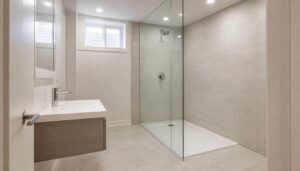

A bathroom renovation is exciting, but before any work begins, there’s often one pressing concern for Ottawa homeowners: Will I be able to use my bathroom at all? From morning showers to daily hygiene, access to the toilet suddenly becomes uncertain, and that worry hits especially hard for families with only one bathroom.
Over 20 years of managing every type of remodel across Ottawa, Kanata, and Nepean, this is one of the first questions homeowners ask us. Many of you worry you’ll need to move out temporarily or completely change your daily routine for weeks. The reality is, the answer isn’t always a simple yes or no, and a lot depends on the scope of work involved.
At Bytown Better Bathtubs and Showers, we’ve learned that bathroom usability during a remodel depends on several factors. Below, we’ll walk you through what to expect at each stage, when limited access may be possible, and when planning for downtime makes the most sense. If you’re considering a quicker tub-to-shower conversion, the timeline looks very different from a full remodel.
What Happens During a Bathroom Renovation
The quick answer: You can usually keep using a bathroom during an Ottawa renovation, but not while the water is off, the floor is curing, or the fixtures are out. Plan a second bathroom for those days. Bytown tub and shower installs run 1 to 3 days, so the disruption is short; a complete bathroom renovation takes about a week.
Every bathroom renovation follows a sequence of stages that directly impact the usability of the space at various points. The first phase is demolition, where old fixtures, tiles, and sometimes flooring or walls are removed. This stage is often the most disruptive because debris, tools, and exposed surfaces make the space unsafe to use.
From our experience, demolition is typically the turning point of any project. Once it begins, the bathroom is no longer safe or suitable for use. Many older Ottawa homes built in the 1950s and 1960s also reveal hidden plumbing issues at this stage, which the Ontario Building Code requires to be brought up to current standards before new work goes in.
After demolition, the project proceeds with plumbing adjustments, waterproofing, installation of new fixtures, wall systems, and final finishing touches. Each step impacts usability differently. Some stages may allow limited access, while others require the space to be fully shut down.
Can You Really Use the Bathroom During a Renovation
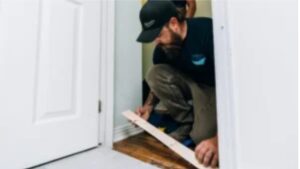
In some cases, you may still be able to use parts of your bathroom during certain stages of a remodel, but rarely without limitations. As Curtis McGrath, one of our tub and shower specialists, explains, usability depends heavily on the scope of the project. Sometimes the toilet has to come off, and if it’s the only toilet in the home, there’s no alternative available while work is ongoing.
For smaller projects like a tub-to-shower conversion, access may remain partially available, especially outside demolition hours. For full remodels, however, the space can become unusable for extended periods because multiple fixtures are removed simultaneously.
Even when some fixtures remain functional, safety is always the priority. According to the Canada Mortgage and Housing Corporation, construction zones in active remodels can pose serious slip and trip hazards, particularly for seniors and children. Open floors, exposed plumbing, and construction materials make the space hazardous.
What You Should Do Before or During a Bathroom Renovation
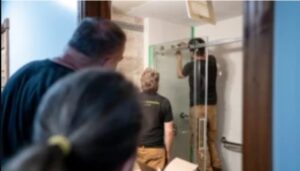
Whether your bathroom remains partially usable or not, preparation is essential. The first step is to understand the exact scope of your project and how it will affect your daily routine. If your bathroom cannot be used at certain stages, planning alternatives becomes crucial, especially for homes in older Glebe or Nepean neighbourhoods where second bathrooms aren’t always available.
Curtis McGrath stresses the importance of planning early, especially when there’s only one bathroom in the home. Preparing a secondary space or arranging temporary alternatives can save a lot of stress. Even when partial use is possible, disruptions should still be expected.
Moving toiletries, coordinating schedules, and knowing which fixtures will be unavailable help you stay comfortable and avoid surprises. Industry data from the National Kitchen and Bath Association shows that homeowners who plan logistics in advance report significantly higher satisfaction with their experience.
When Bathroom Use Isn’t Ideal During a Renovation
Even if limited access is technically possible, using the space during an active remodel isn’t always advisable. In certain situations, stepping away temporarily can be the more practical choice.
Safety Concerns
Construction debris, tools, nails, and exposed surfaces can increase the risk of slips, cuts, or other injuries. Ongoing work may also create dust and moisture that affect cleanliness and overall comfort. For families with young children or aging parents, even brief exposure to a construction zone carries real risk.
Timeline Limitations
Certain materials, especially tile systems, require multiple installation layers and proper drying time. Tile installations generally take longer than acrylic systems due to waterproofing and curing stages, which can extend downtime. According to Houzz industry research, full-tile bathrooms average 30 to 50 percent longer completion times than acrylic surround alternatives.
Project Delays and Added Costs
Attempting to use the space mid-project can slow progress. Special accommodations, such as repeatedly removing and reinstalling fixtures, may increase labour costs and lengthen the overall timeline. The faster your work runs uninterrupted, the sooner you get your bathroom back.
What Installation Looks Like for an Ottawa Bathroom Renovation
A typical bathroom renovation with our team follows a clear day-by-day timeline. On day one, our crew arrives early, lays protective floor coverings from the door to the bathroom, and begins demolition. By the end of day one, most old fixtures and finishes are out and disposed of.
Days two and three are dedicated to plumbing work, waterproofing, and installation of the new tub or shower system. For tile installations, additional days are needed for grout curing. By day four or five for most projects, the new bathroom is functional. Full remodels may take up to a week.
Our payment terms are simple: 50 percent on booking, 50 percent on completion. Pathway access matters for older Ottawa homes with narrow stairwells, and our team plans the route in advance to protect floors and walls during material transport. You can see how this process plays out in our client stories from homeowners across the city.
What Moves the Price of a Bathroom Renovation
A bathroom renovation cost can feel unpredictable, especially if you’re not sure what’s involved. A realistic estimate goes beyond materials and helps set expectations from day one. Here are the main factors that move the final price:
- Scope of project: Full remodels cost more than tub-to-shower projects.
- Materials and finishes: Premium materials increase overall cost.
- Plumbing changes: Plumbing work adds labour and material costs.
- Waterproofing needs: Extra protection raises pricing.
- Timeline demands: Faster schedules or special needs may increase costs.
For a complete breakdown with real Ottawa project ranges, our bathroom remodeling pricing guide walks through what to expect in plain language. Permit requirements published by the City of Ottawa may also affect timeline and cost depending on the scope of work.
Why Homeowners Choose Bytown Bath
With over 20 years serving Ottawa, Kanata, Nepean, Barrhaven, and Orleans, our in-house team handles every project from initial consult to final walkthrough. We back every install with a written warranty on both the product and the labour, and our pricing is transparent from day one with no hidden fees. For larger projects, our complete bathroom renovation service brings the same focused process to the whole room.
Want the room out of service for days rather than weeks? See how we plan a bathroom renovation in Ottawa around that.
Frequently Asked Questions
How long does a typical bathroom renovation take in Ottawa?
Most standard projects in Ottawa take three to eight days, depending on the scope. A simple tub replacement runs one or two days, while a full remodel with plumbing changes and tile work can stretch to a week or more. Older homes with hidden issues may take slightly longer once repairs are factored in.
Can I stay in my home during a remodel?
Yes, most homeowners stay in their home throughout the project. We work in one bathroom at a time and keep dust and debris contained. If yours is the only bathroom in the home, we plan the schedule so the toilet and shower are out of service for the shortest possible window, typically two to four days.
What should I do if I only have one bathroom?
Plan ahead with temporary alternatives. Options include a nearby family member’s home, a gym membership for showers, or a portable toilet rental for longer projects. Our team can advise on realistic downtime windows during your free in-home consultation so you can prepare accordingly.
Do I need a permit for a bathroom renovation in Ottawa?
It depends on the scope. Like-for-like fixture replacements typically don’t require permits, but moving plumbing, changing structural elements, or converting a tub to a shower often does. The City of Ottawa publishes current permit requirements online, and we handle the permit process for projects that need it.
How much does a bathroom renovation cost in Ottawa?
Prices vary widely based on scope, fixtures, and existing plumbing condition. A simple tub liner or wall surround starts in the low thousands, while a full remodel with premium finishes can run significantly more. Our free in-home consultation gives you a precise quote based on your bathroom and your goals.
Stop Guessing, Plan Ahead
A remodel doesn’t have to feel chaotic or unpredictable. With the right planning, clear communication, and realistic expectations, you can navigate the process without sacrificing comfort or peace of mind. At Bytown Better Bathtubs and Showers, every project is carefully planned to minimize downtime while delivering premium results.
Curious what your project might cost? Try our free online pricing estimator. It’s fast, easy, and gives you a realistic ballpark figure in seconds. Whether you’re planning a tub-to-shower conversion or a finished shower remodel, our team delivers premium results with minimal disruption. Contact Bytown Better Bathtubs at info@bytownbath.ca or call (613) 746-8055 to schedule your consultation.