Most homeowners use their bathtub every day without thinking twice about what it’s made of – until someone asks. Is it acrylic? Pressed enamel steel? Cast iron?
The quick answer: Almost every Ottawa bathtub is one of three materials: acrylic, pressed enamel steel, or cast iron. You can identify yours by its weight, by how the side sounds and flexes when tapped, and by the edge. The material decides whether reglazing, a liner or full replacement makes sense, and a bathtub replacement in Ottawa runs $13,000 to $15,000 CAD.
If you’re not sure, you’re not alone.
At Bytown Better Bathtubs and Showers, we speak with Ottawa homeowners all the time who can’t tell what kind of tub they have – and that’s perfectly normal. The materials can look and feel similar at first glance. But identifying the material is the first step toward a smooth and successful renovation.
Acrylic
A lightweight, modern option made from moulded plastic. Acrylic tubs are warm to the touch and are commonly found in newer homes or recent remodels. They’re known for being easy to install and available in a variety of shapes and sizes.
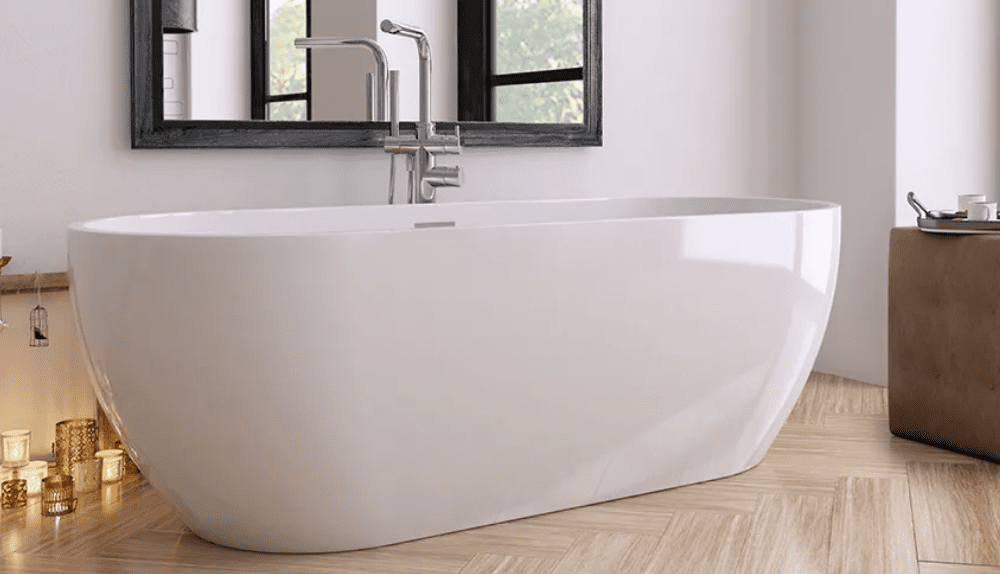
Pressed Enamel Steel
These are made from pressed steel coated with a smooth enamel layer. They have a hard, durable surface and are often mistaken for cast iron because of their glossy finish. However, they’re much lighter and easier to remove.
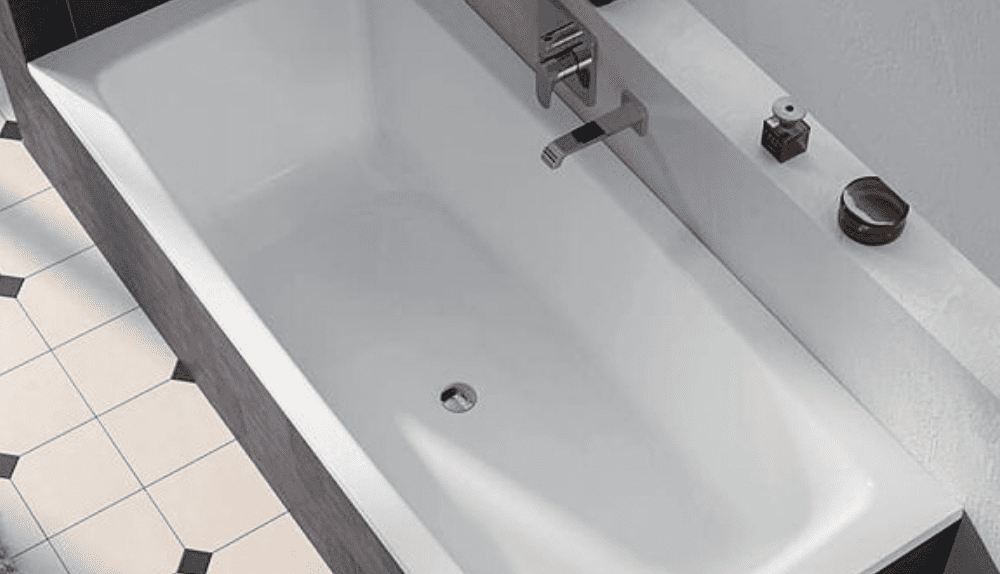
Cast Iron
The heaviest and most solid of all tub types. Cast iron tubs are made from molten iron and coated in thick enamel. These tubs are built to last and are often found in older homes or those with a vintage-inspired design.
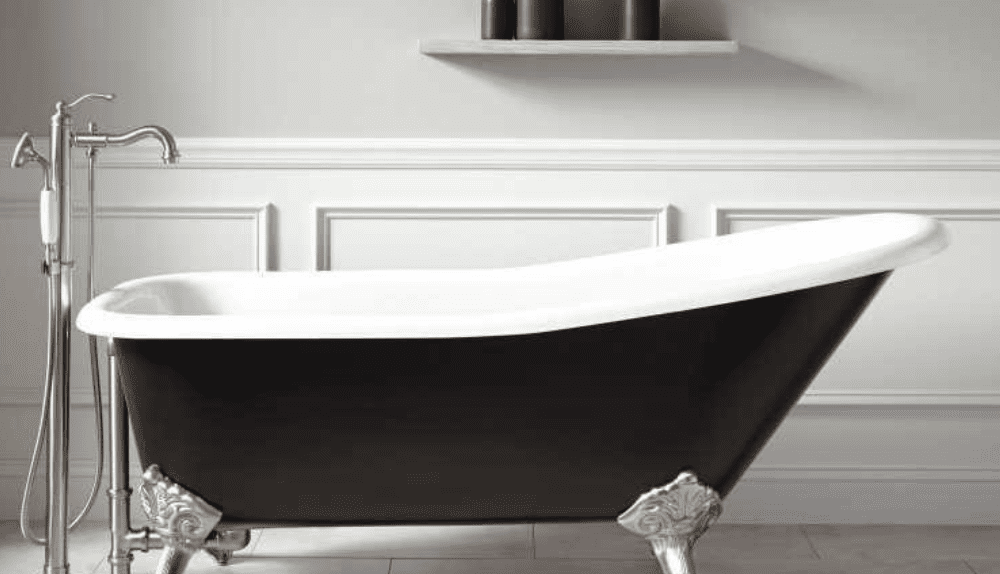
How to Identify Your Bathtub Type
Not sure what kind of tub you have? Here are expert tips to help you figure out what type of bathtub you have:
Try the Knock Test
One of the easiest ways to get a clue about your tub material is by knocking on it with your knuckles. This quick sound test can give you a lot of insight.
- Acrylic tubs produce a dull, muffled thud and feel slightly soft and warm to the touch.
- Pressed enamel steel tubs sound hollow, like tapping on a tin can, and feel cool and metallic.
- Cast iron tubs sound solid and heavy, more like knocking on a rock, with minimal vibration.
Consider the Weight
Weight is another big clue. The weight of your tub can help you tell what it’s made of.
- Acrylic tubs are lightweight and may shift slightly if not fully secured.
- Pressed enamel steel tubs are heavier but manageable for two people to move.
- Cast iron tubs are extremely heavy and often require specialized equipment for removal.
Look at the Finish
The finish of the tub can also help you figure out what you’re working with.
- Acrylic tubs feel smooth, slightly flexible, and warm.
- Pressed enamel steel tubs have a hard, glossy finish similar to cast iron but with a thinner feel.
- Cast-iron tubs feature a thick enamel coating and are commonly found in vintage styles.
Bathtub Material Comparison
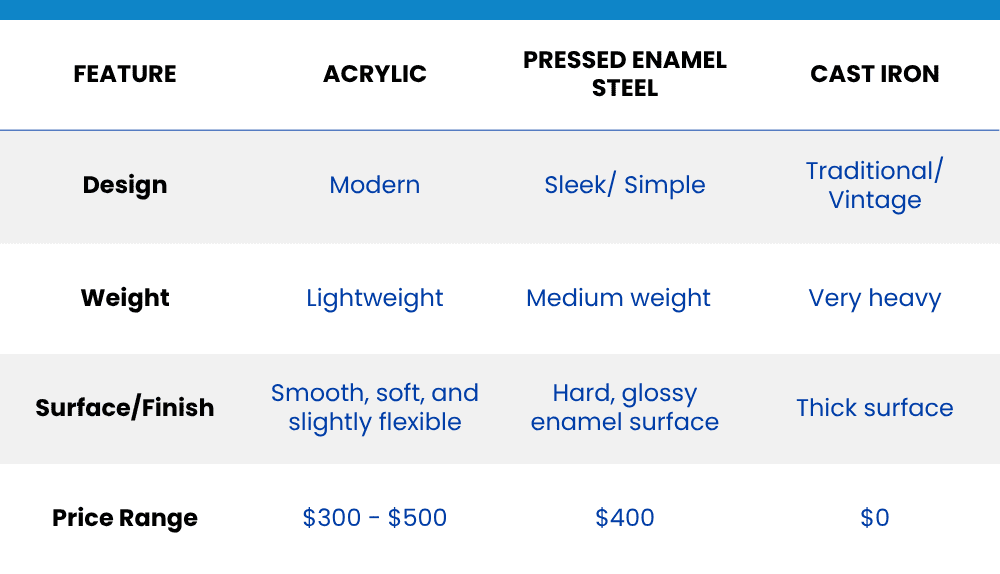
When choosing or identifying a bathtub, understanding the differences between materials can help inform your decision. Here’s a side-by-side comparison to help you distinguish the differences between the three tub types.
| Material | Knock test | Weight | Feel and finish | Usually found in |
|---|---|---|---|---|
| Acrylic | A dull, muffled thud | Lightweight; may shift slightly if not fully secured | Smooth, slightly flexible and warm to the touch | Newer homes and recent remodels |
| Pressed enamel steel | Hollow, like tapping a tin can | Heavier, but two people can move it | Hard and glossy like cast iron, with a thinner feel; cool to the touch | Often mistaken for cast iron, but much lighter and easier to remove |
| Cast iron | Solid and heavy, like knocking on a rock, with almost no vibration | Extremely heavy; often needs specialized equipment to remove | A thick enamel coating | Older homes and vintage-style bathrooms |
Bathtub Types: Your Questions, Answered
How can I tell what my bathtub is made of?
Knock on the side, think about the weight, and look at the finish. Acrylic gives a dull thud and feels warm and slightly flexible. Pressed enamel steel sounds hollow, like a tin can, and feels cool. Cast iron sounds solid, barely vibrates and is extremely heavy.
Which bathtub material lasts the longest?
Cast iron is the heaviest and most solid of the three and is built to last, which is why it is still found in older homes. Acrylic is the modern option: lighter, warm to the touch and easy to install. Pressed enamel steel sits between them, with a hard glossy surface on a much lighter shell.
Why does the bathtub material matter for a renovation?
It changes how the old tub comes out. Cast iron is extremely heavy and often needs specialized equipment to remove, while acrylic and pressed steel tubs are far lighter. Identifying the material is the first step toward a smooth renovation.
How much does it cost to replace a bathtub in Ottawa?
A bathtub replacement with Bytown runs $13,000 to $15,000 CAD on a fixed written quote, and that band includes removing and disposing of the tub that is there now.
Last reviewed: October 2026.
Start Your Bathroom Renovation with Confidence
Whether your current tub is acrylic, pressed enamel steel, or cast iron, Bytown Better Bathtubs & Showers has seen and replaced them all.
Our specialists are here to assess your current setup, walk you through your options, and install a solution that fits your lifestyle.
Ready to upgrade your bathroom?
Contact us at info@bytownbath.ca or (613) 746-8055 to schedule your consultation today. Your dream bathroom starts with understanding what you have – and imagining what’s possible!